Scope
Clarify goals, audience, space, constraints, budget range, timeline, and internal decision process.
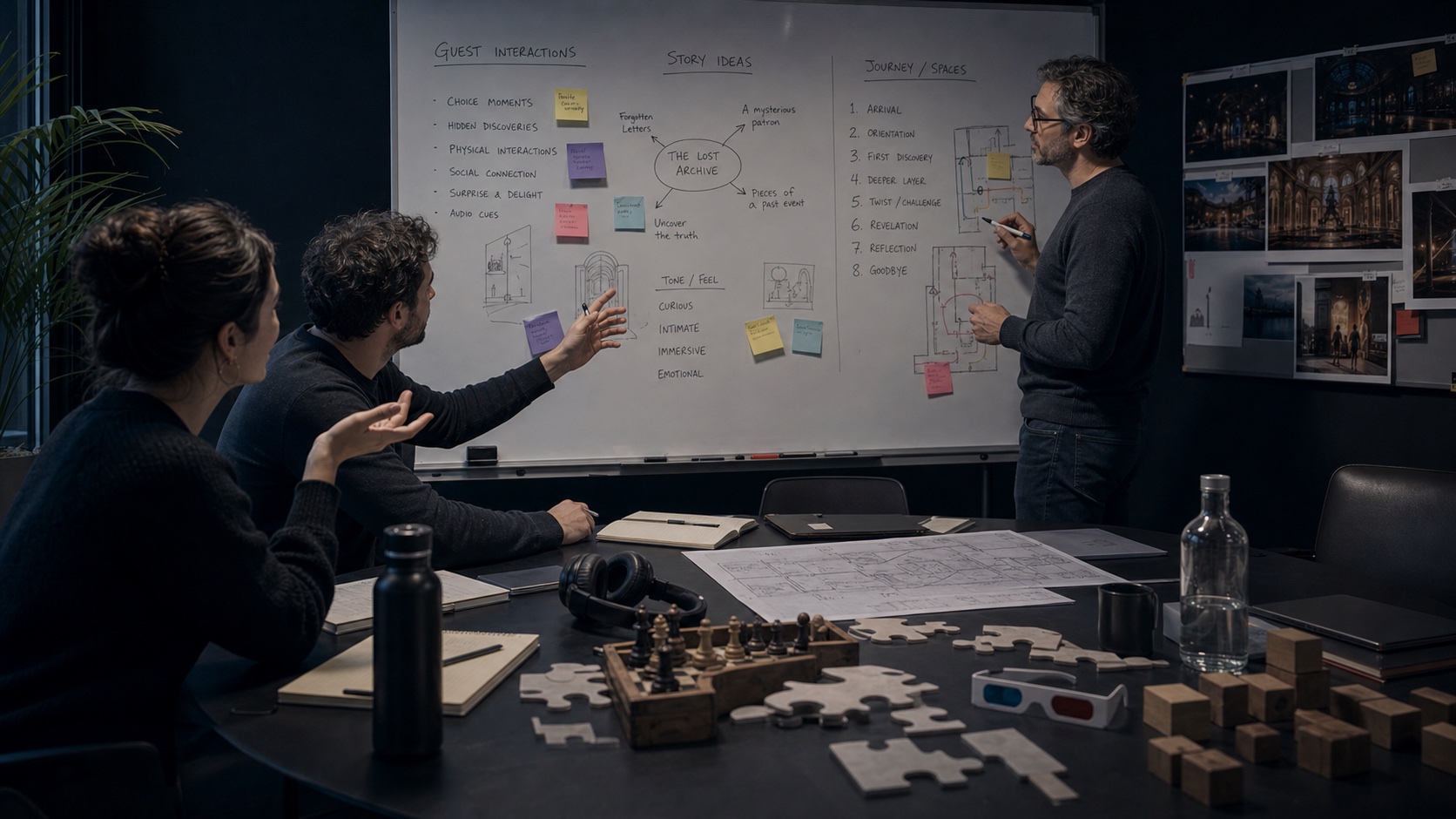
Services & Technology
Weave helps organizations scope, design, produce, configure, launch, and improve immersive audio experiences for real places. This page explains what we do, what clients provide, what we deliver, and how the technology supports the work.
Use it to evaluate project scope, internal responsibilities, and the kinds of outputs needed to move from idea to operation.
Tell Us About Your ProjectHow a Project Works
Clarify goals, audience, space, constraints, budget range, timeline, and internal decision process.
Define the guest journey, story structure, interaction model, accessibility approach, and operational plan.
Create scripts, audio, cue maps, interaction logic, signage language, and staff-facing materials.
Build the experience in the Weave system, configure timing and triggers, and prepare the deployment plan.
Test with real conditions, train staff, support launch, review performance, and refine the experience.
What We Do
Weave combines creative services and proprietary technology to deliver custom audio-led experiences in physical spaces. The work can include strategy, guest journey design, narrative, game-inspired interaction, audio production, technology configuration, launch support, and iteration.
The engagement is practical from the start: what needs to be decided, produced, tested, installed, taught to staff, and supported after opening.
Result: A clear project plan that connects creative intent to operational delivery.
Research & Strategy
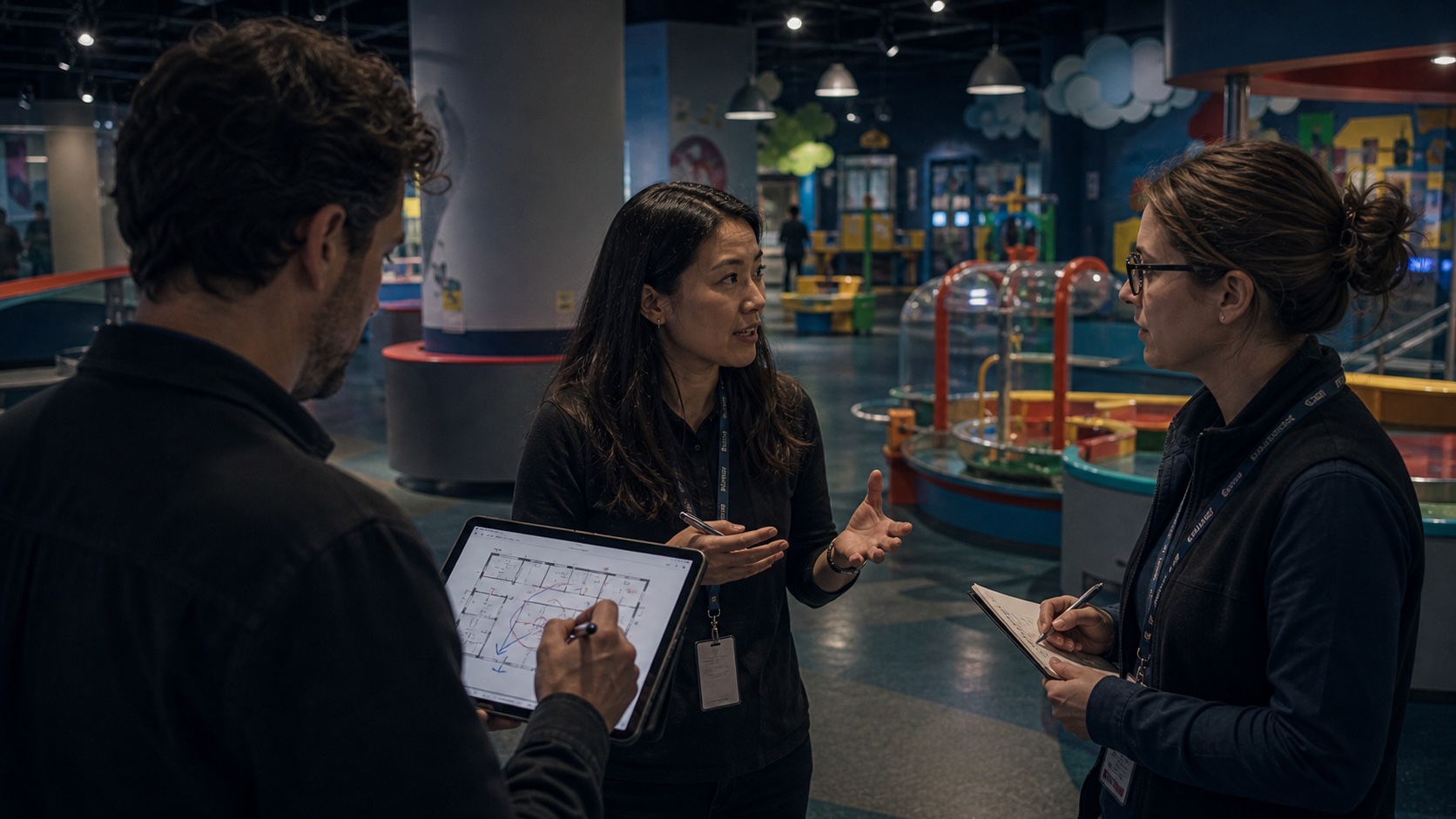
Research and strategy define the experience before production begins. We identify the audience, decision-makers, operational constraints, content sources, access needs, staffing realities, and success criteria.
Clients usually provide institutional goals, audience context, space access, source material, internal stakeholders, and operational constraints. Weave turns those inputs into a direction the team can evaluate and build from.
Result: Example outputs: strategy brief, guest journey map, opportunity map, audience notes, and initial experience direction.
Accessibility
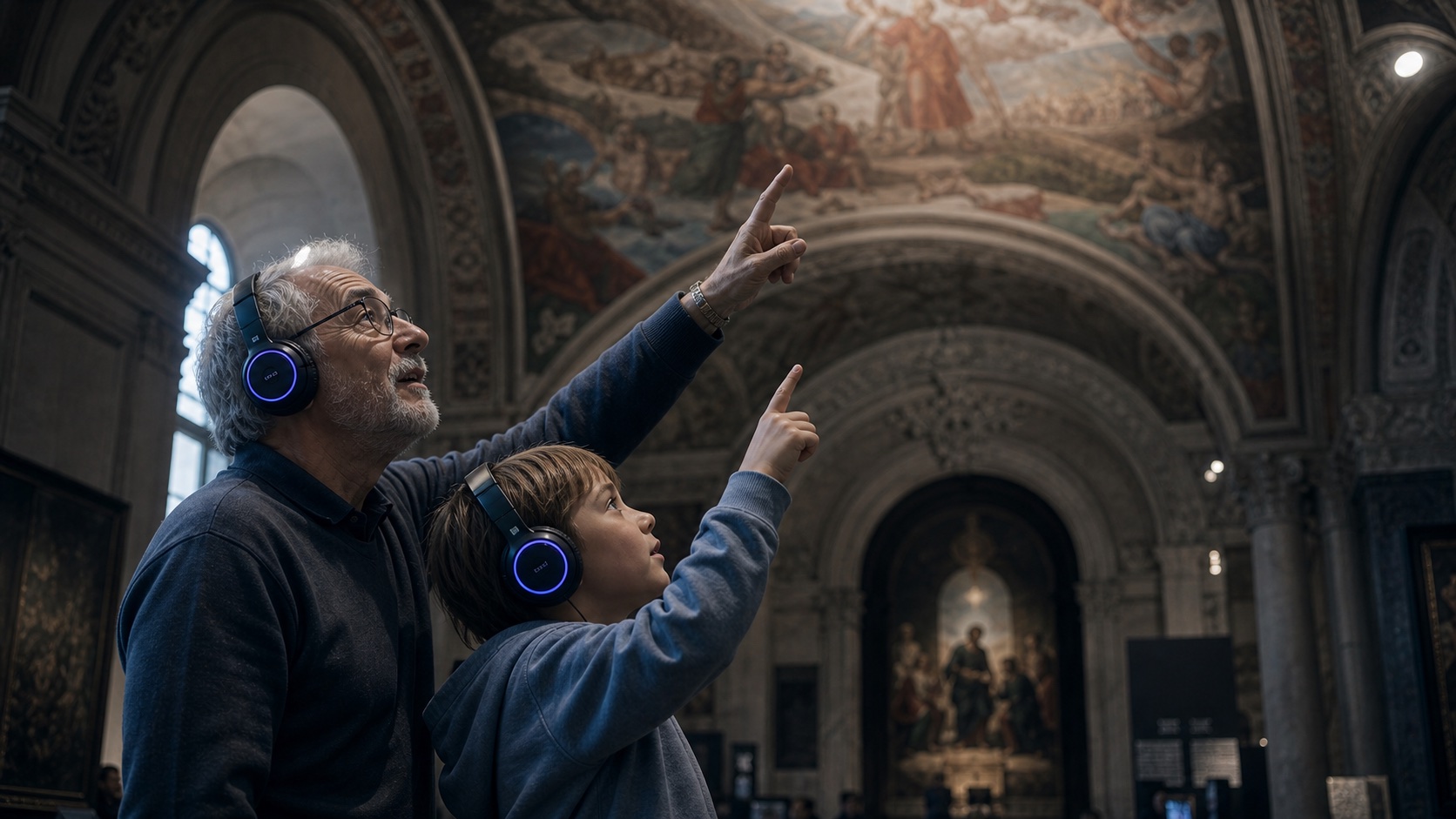
Accessibility is part of project definition, not a final checklist. Real-world audio experiences involve movement, sound, groups, devices, environmental conditions, and instructions, so access planning needs to inform the design early.
We help identify where alternate routes, transcripts, captions, simplified instructions, multilingual tracks, staff support, or alternate participation roles may be needed.
Result: Example outputs: accessibility considerations brief, route notes, onboarding recommendations, transcript/caption plan, and staff support notes.
Experience Design
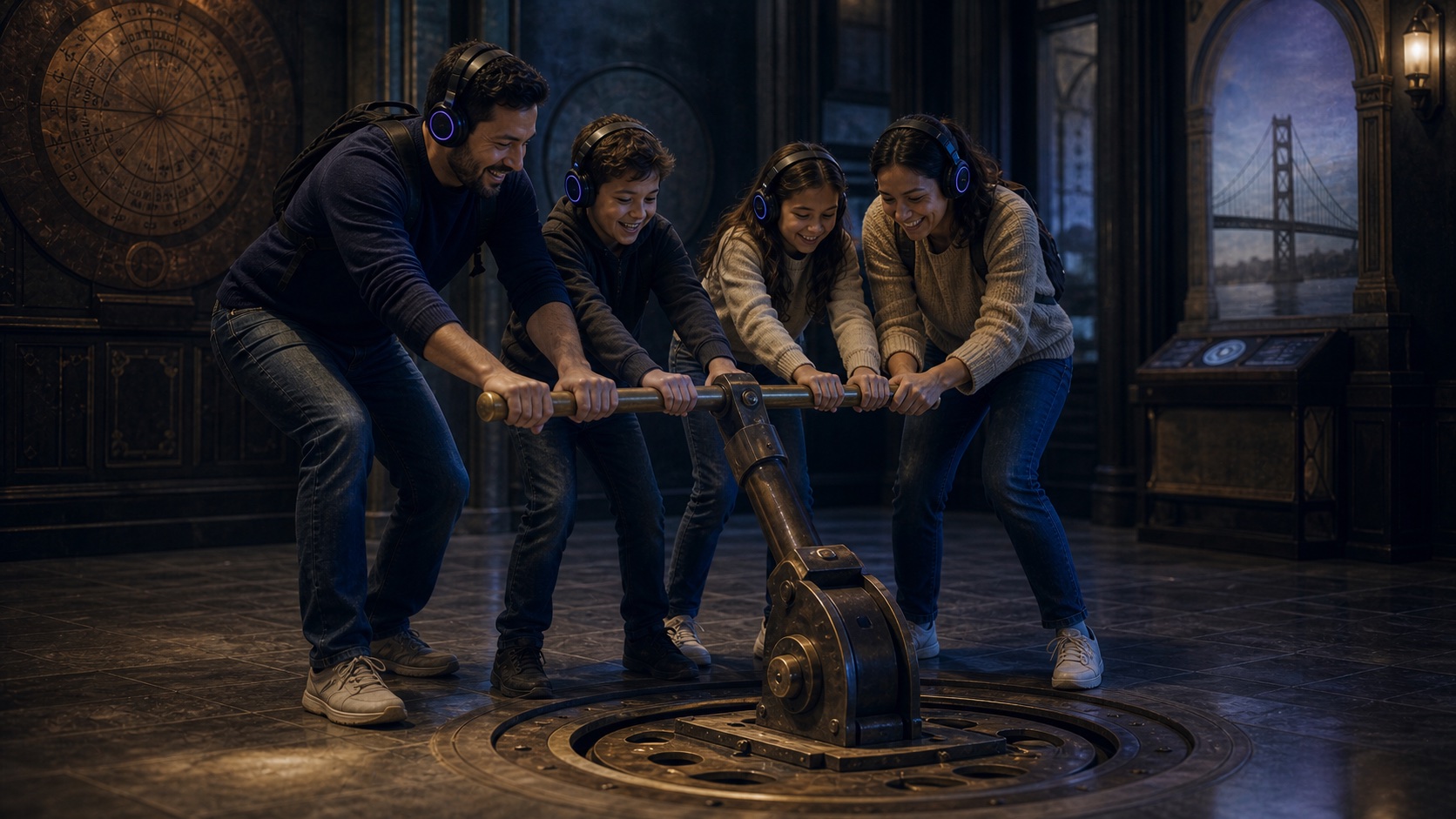
Experience design turns project goals into a usable guest journey. This includes what guests hear, where they go, what they do, what they notice, how groups coordinate, and what moments need to happen together.
Weave may use narrative, roles, missions, choices, timed reveals, environmental prompts, reflection moments, or group-specific instructions when they support the project goals.
Result: Example outputs: experience blueprint, story outline, script draft, interaction map, cue map, and test plan.
Audio Production
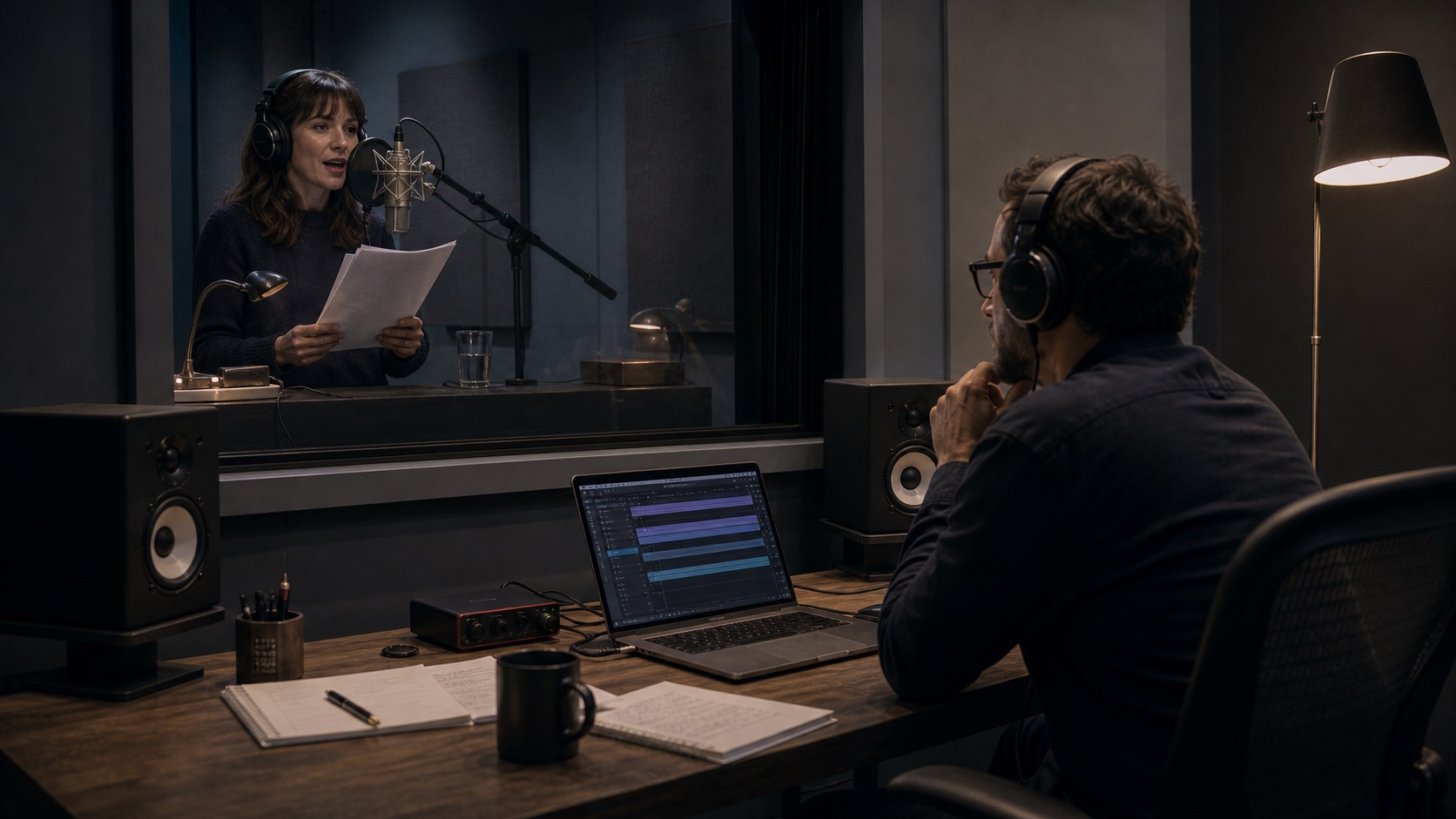
Audio production creates the actual sound layer guests will experience. Depending on scope, this can include voice casting, narration, direction, editing, sound design, music, spatial or environmental layers, multilingual workflows, and field testing.
Clients typically review tone, content accuracy, approvals, and institutional language. Weave manages the production workflow and prepares assets for the experience system.
Result: Example outputs: final audio package, scripts, recording notes, language asset list, mix references, and QA notes.
Technology Configuration
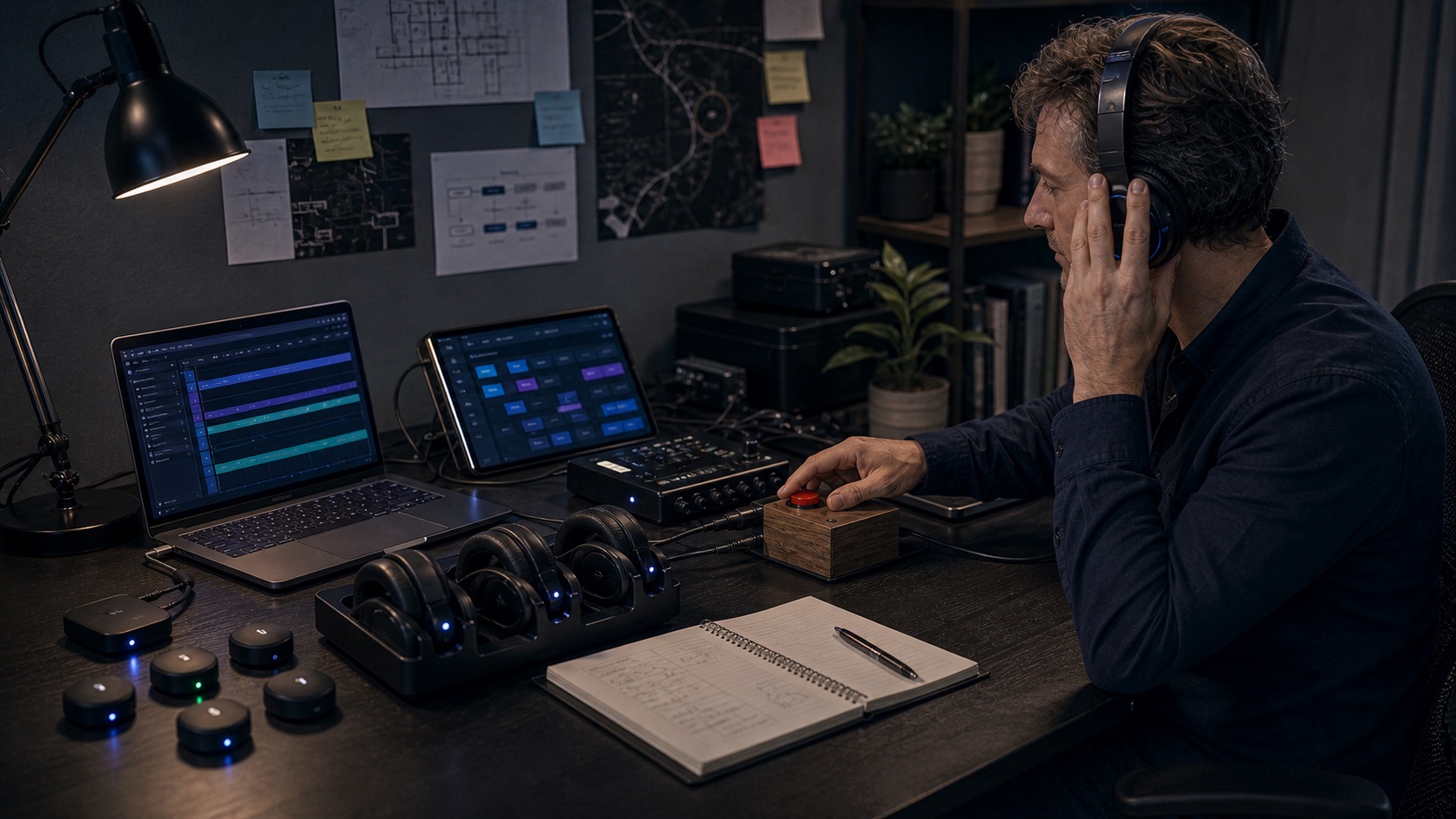
Technology configuration translates the approved design into a working system. This includes cue structure, timing, synchronization, routes, zones, supported triggers, group logic, device behavior, and operator needs.
The goal is not to expose complexity to guests. The goal is to make the experience predictable enough for operators and responsive enough for the story.
Result: Example outputs: configured experience build, cue map, deployment configuration, hardware/input plan, and technical QA notes.
Deployment & Support
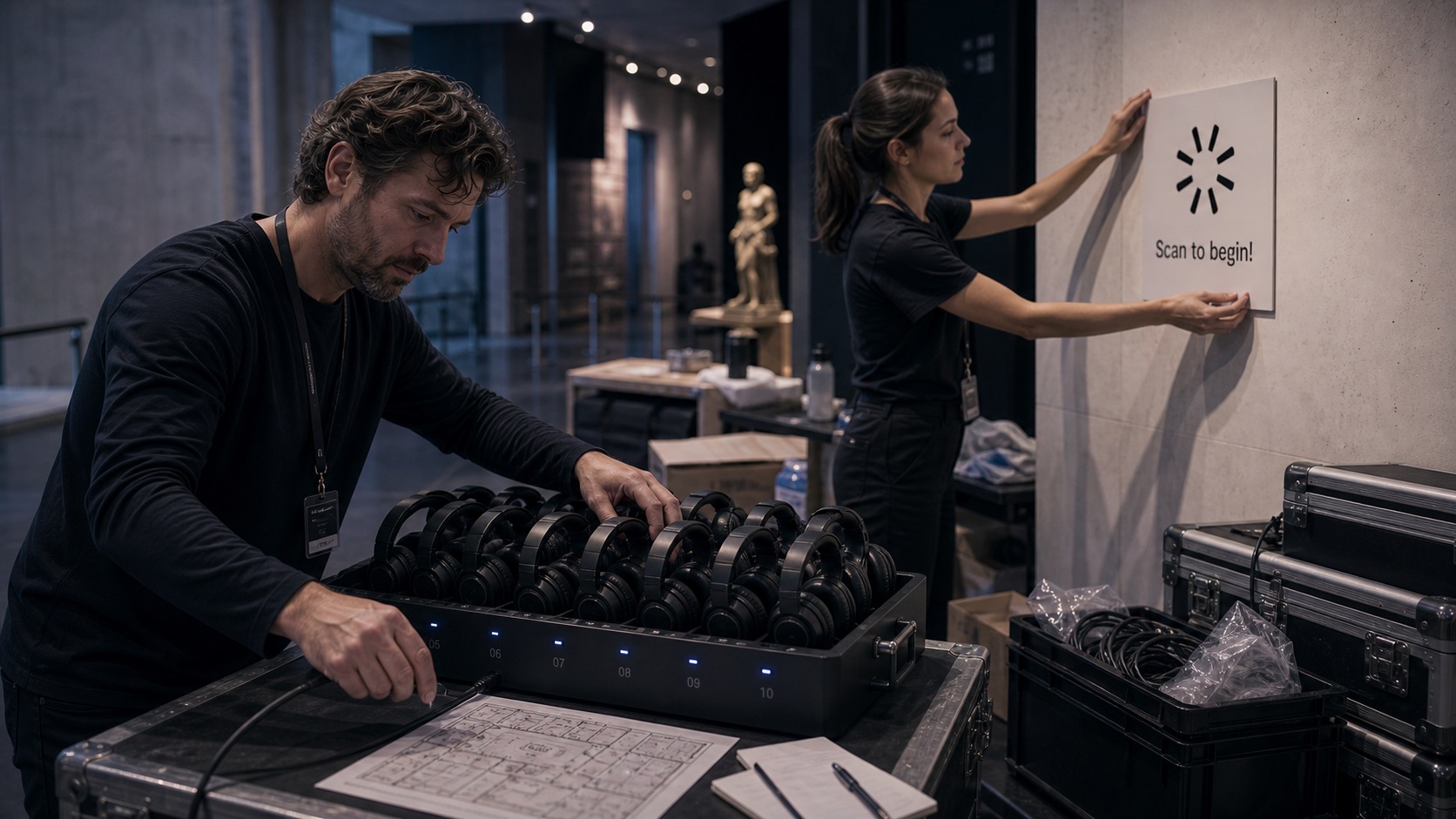
Deployment prepares the experience for real guests and staff. We review onboarding, signage, physical setup, device handling, route conditions, timing, staff responsibilities, and launch support needs.
After launch, Weave can help review performance, adjust timing, clarify instructions, improve flow, and plan future iterations.
Result: Example outputs: deployment plan, staff guide, launch checklist, signage copy, test notes, and refinement recommendations.
What You Get
Final deliverables vary by scope, but a complete Weave engagement is designed to leave clients with a clear experience plan, produced content, configured technology, and operational support materials.
This section is meant to help buyers understand the tangible outputs behind the creative work.
Goals, audience assumptions, constraints, success criteria, risk notes, and project direction.
Journey map, interaction model, story structure, onboarding flow, and accessibility considerations.
Scripts, audio package, language assets where applicable, cue map, signage copy, and staff-facing materials.
Configured Weave experience, cue timing, trigger logic, device plan, and technical QA notes.
Testing, staff guidance, deployment checklist, launch assistance, and post-launch refinement recommendations.
Clear documentation that helps internal teams understand scope, responsibilities, timeline, and next steps.
Fit Guidance
Weave is most useful when the organization wants a custom real-world experience and has a specific audience, place, program, event, or operational goal in mind.
It is usually not the right fit when the need is only a generic app, a simple audio playlist, a commodity rental, or a one-size-fits-all template.
Museums, venues, campuses, event teams, training groups, and cultural destinations that want a memorable shared experience built around a specific place and audience.
Organizations with existing content or programming that needs to become more participatory, social, guided, or operationally reliable.
Projects that only need basic audio playback, generic wayfinding, a low-touch app template, or technology with no custom experience design.
Access to stakeholders, space information, source material, operational context, review cycles, and decisions.
Experience strategy, creative design, audio production, technology configuration, deployment support, and iteration guidance.
Scope, timeline, budget range, launch model, accessibility approach, staffing assumptions, and success measures.
Tell us about your audience, space, timeline, and goals. We can help identify the right experience shape and delivery path.